How to Import Spices from India: The Complete Buyer's Guide
MOQs, Incoterms, paperwork, supplier vetting — everything you need before placing your first order from an Indian exporter.
By SeourExim Export Team · May 2026 · 8 min read
Why India for Spices
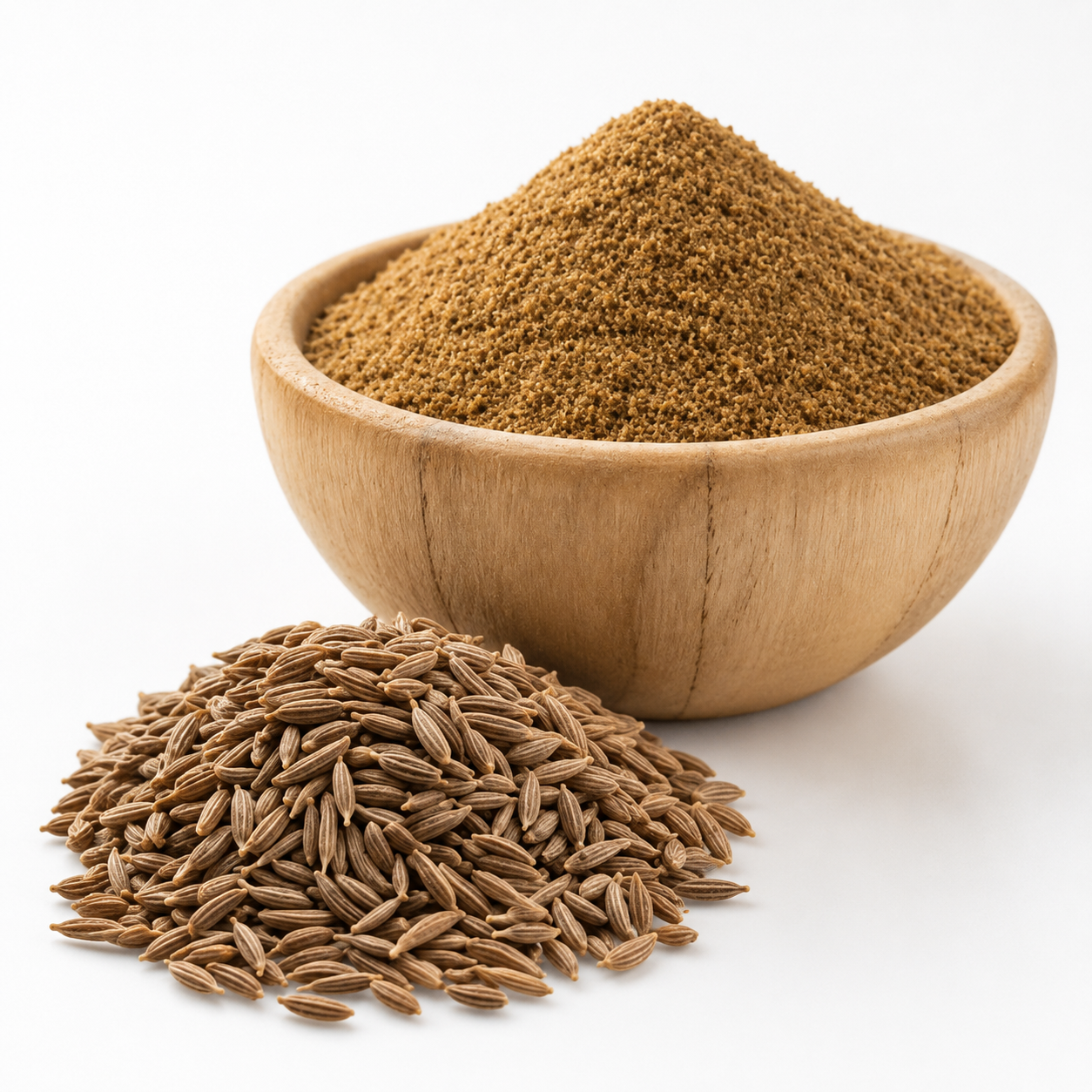
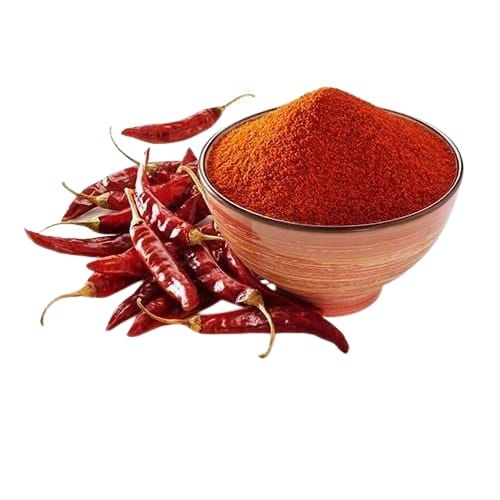
India accounts for nearly 40% of global spice trade by volume. From Kerala's black pepper to Rajasthan's cumin and Andhra's chillies, the country's agro-climatic diversity makes it the world's most reliable single source for bulk spice imports.
Understanding MOQs
Most established Indian exporters work with minimum order quantities of one 20-foot container (roughly 18–22 metric tons depending on the spice). Smaller LCL (less-than-container-load) orders are possible but pricing per kilo rises sharply. First-time buyers should start with a single SKU FCL to keep documentation clean.
Documentation Checklist
Every shipment requires a commercial invoice, packing list, certificate of origin, phytosanitary certificate, FSSAI export certificate, bill of lading, and (for many destinations) a fumigation certificate. Your supplier should provide all of these within 5–7 working days of shipment.
Vetting Your Supplier
Always verify FSSAI, APEDA, Spices Board, and IEC registrations before transferring any advance. Ask for third-party lab reports (preferably SGS or Eurofins) for the specific lot you are buying — generic certificates are not enough.
Payment Terms
Industry standard is 30% advance via T/T and 70% against scanned bill of lading. Letters of credit are common for orders above $50,000. Avoid suppliers who demand 100% advance — it is the single biggest red flag in Indian spice trade.
Ready to source from India?
Talk to our export team — we'll walk you through pricing, samples, and timelines.
Contact Us →